
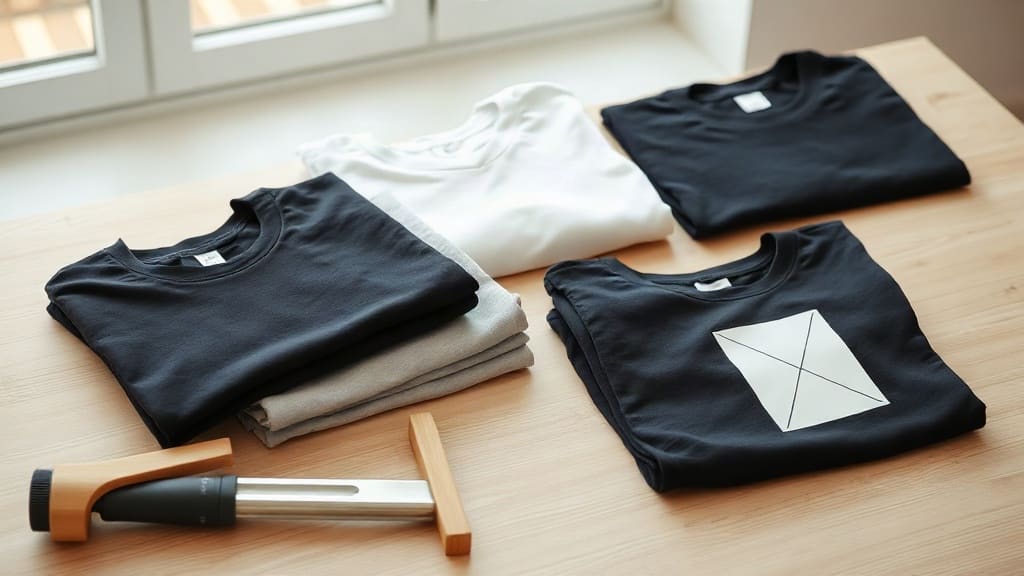
When it comes to creating apparel that truly represents your brand, event, or personal style, the blank canvas matters just as much as the design. Shaka Wear has built a reputation for producing heavyweight, durable t-shirts that serve as the perfect foundation for custom shirts. Whether you're a screen printer, a business owner, or someone planning a family reunion, understanding what makes a great custom shirt will save you time, money, and frustration.
In this guide, we'll dive deep into the world of Shaka Wear custom shirts. You'll learn about the fabric options, printing methods, design considerations, and practical tips to ensure your next order exceeds expectations. Let's get started.
Why Shaka Wear Stands Out in the Custom Shirt Market
The custom apparel industry is crowded, but Shaka Wear has carved a niche for itself by focusing on quality and consistency. Founded in Los Angeles, the brand draws inspiration from streetwear culture and the need for garments that can withstand daily wear and repeated washing. Their t-shirts are known for their substantial feel, which many customers describe as "retro heavyweight."
What does that mean for you? It means your custom shirts won't feel flimsy or lose their shape after a few wears. The dense knit fabric provides a smooth surface for printing, whether you're applying a simple one-color logo or a detailed graphic. Additionally, Shaka Wear's commitment to ethical manufacturing and fair labor practices resonates with businesses that care about their supply chain.
Fabric Quality: The Foundation of a Great Custom Shirt
Not all blank t-shirts are created equal. Shaka Wear offers a range of fabrics, each suited to different needs. The most popular options include:
- 100% Cotton: Soft, breathable, and ideal for screen printing. It takes ink well and feels comfortable against the skin.
- Cotton/Poly Blends: These offer increased durability and reduced shrinkage. They're great for athletic events or uniforms that see heavy use.
- Tri-Blend: A mix of cotton, polyester, and rayon, tri-blend shirts are incredibly soft and have a vintage, heathered look. They're perfect for retail or fashion-forward custom shirts.
When choosing a fabric, consider the end use. If you're printing shirts for a construction company, a heavier cotton or blend will hold up better. For a yoga studio, a tri-blend might offer the comfort and flexibility clients expect. Shaka Wear's product descriptions often include fabric weight (measured in ounces per square yard), which is a key indicator of quality. Heavier weights (5.5 oz and up) tend to be more durable and opaque.
Fit and Sizing: Finding the Right Silhouette
Shaka Wear offers several fits, from classic to modern. The most common are:
- Classic Fit: A traditional cut with a relaxed feel, roomy through the body and sleeves.
- Slim Fit: A more tailored look that hugs the body without being tight. Popular for fashion-oriented custom shirts.
- Oversized: A trendy, loose fit that's been popular in streetwear. Great for bold graphics and a casual vibe.
It's crucial to order sample shirts before placing a large order. What looks good on a size chart may feel different in person. Shaka Wear provides detailed size charts, but trying on a sample ensures you get the fit your customers or team will love.
Choosing the Right Printing Method for Your Custom Shirts
Once you've selected your blank Shaka Wear shirts, the next step is printing. The method you choose affects the look, feel, durability, and cost. Here's a breakdown of the most common techniques.
Screen Printing: The Industry Standard
Screen printing is the go-to method for large orders of custom shirts. It involves creating a stencil (screen) for each color in your design and pushing ink through it onto the fabric. The result is vibrant, long-lasting prints that can handle heavy use.
Pros: Cost-effective for bulk orders, durable, wide range of ink types (plastisol, water-based, discharge).
Cons: Setup costs per color, not ideal for small quantities or photorealistic designs.
Shaka Wear's smooth, tight-knit fabric is particularly well-suited for screen printing because it allows for crisp edges and even ink coverage.
Direct-to-Garment (DTG) Printing
DTG printing works like a specialized inkjet printer for textiles. It's perfect for small batches, complex designs, and full-color images. The ink is absorbed into the fabric, resulting in a soft feel.
Pros: No setup fees, unlimited colors, great for detailed artwork.
Cons: Less durable than screen printing on dark garments, higher cost per shirt for large runs.
For Shaka Wear custom shirts in lighter colors, DTG can produce stunning results. However, on darker fabrics, a pretreatment is required, and the print may fade faster over time.
Heat Transfer and Vinyl
Heat transfer involves printing your design onto a special paper and then using a heat press to transfer it to the shirt. Vinyl cutting is similar but uses colored vinyl sheets. These methods are great for names, numbers, and simple logos.
Pros: Ideal for personalization, low startup cost, quick turnaround.
Cons: Can feel stiff, may crack or peel over time if not applied correctly.
When using heat transfer on Shaka Wear shirts, always follow the manufacturer's temperature and pressure guidelines to avoid scorching the fabric.
Embroidery: Adding a Touch of Class
For a premium look, embroidery is an excellent choice for left-chest logos or hats. It's durable and gives a professional appearance. However, it's not suitable for large, detailed designs. Shaka Wear's heavier fabrics can support embroidery well, but lightweight tri-blends may pucker.
Design Tips for Shaka Wear Custom Shirts
Creating a design that looks great on a Shaka Wear shirt requires more than just a good idea. Here are some practical tips to ensure your custom shirts turn out perfectly.
Understand Color Theory and Contrast
If you're printing on a colored shirt, your ink colors need to contrast enough to be visible. For example, dark navy ink on a black shirt will be nearly invisible. Use a color wheel to find complementary or contrasting colors. Also, consider the shirt's color when designing; a design that pops on white may get lost on heather grey.
Keep It Simple
Bold, simple designs often work best, especially for screen printing. Too many colors or fine details can drive up costs and lead to printing issues. If you have a complex design, consider simplifying it or using a different printing method like DTG.
Think About Placement
The standard placement for a logo is left chest, about 7-8 inches down from the shoulder seam. For full-front prints, the design usually starts 2-3 inches below the collar. Be mindful of seams and pockets; printing over them can cause uneven results.
Test on a Sample
Always order a sample print before committing to a large order. This allows you to check the colors, placement, and feel of the print. Shaka Wear's blanks are consistent, but printing variables can differ.
How to Care for Your Shaka Wear Custom Shirts
To keep your custom shirts looking fresh, follow these care instructions:
- Turn the shirt inside out before washing.
- Wash in cold water on a gentle cycle.
- Avoid using bleach or fabric softeners, which can degrade the print.
- Tumble dry on low or hang dry.
- Iron inside out, avoiding the printed area.
Proper care will extend the life of both the shirt and the print, ensuring your Shaka Wear custom shirts remain a favorite for years.
Frequently Asked Questions About Shaka Wear Custom Shirts
What is the minimum order quantity for Shaka Wear custom shirts?
Minimum order quantities vary by printer. Some screen printers require at least 12-24 pieces per design, while DTG printers can do one-offs. Shaka Wear itself sells blanks in bulk, often with case discounts, but you can purchase single shirts from retailers.
Are Shaka Wear shirts true to size?
Generally, yes. Shaka Wear shirts are known for their consistent sizing. However, fits vary by style (classic, slim, oversized), so always check the specific size chart and consider ordering a sample.
Can I print on Shaka Wear tri-blend shirts?
Yes, you can print on tri-blend shirts, but the method matters. Screen printing with water-based inks works well, while DTG may require a pretreatment. Heat transfer vinyl can also be used, but test first to ensure adhesion.
How do I choose the right Shaka Wear shirt for my event?
Consider the event's tone and duration. For a 5K run, a moisture-wicking poly blend is ideal. For a casual family reunion, a soft cotton or tri-blend is comfortable. For a corporate giveaway, a classic cotton tee with a left-chest logo is professional and versatile.
Where can I buy Shaka Wear blanks for my custom shirts?
Shaka Wear blanks are available through authorized distributors and online retailers. You can also check the official Shaka Wear USA website for a list of retailers. Many screen printers already stock Shaka Wear, so ask your printer if they carry the brand.
With the right combination of quality blanks, printing method, and design, your Shaka Wear custom shirts will not only look great but also stand the test of time. Whether you're outfitting a team, promoting a business, or creating merchandise for an event, Shaka Wear offers a reliable and stylish canvas for your creativity.