
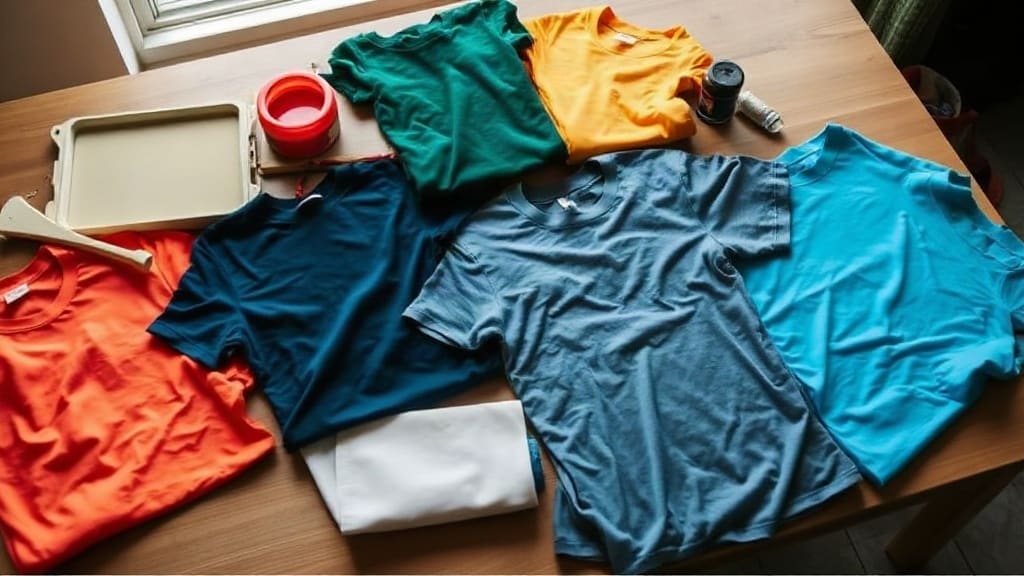
Creating custom shirts that people actually want to wear starts with the blank you choose. If you've ever pulled a printed tee off the shelf and felt the fabric fight back, you know the difference quality makes. That's where Shaka Wear comes in. Their blanks are built for printing, with tight-knit cotton and consistent stitching that hold up to screen print, DTG, and embroidery. In this guide, we'll walk through everything you need to know to turn a stack of blanks into shirts your customers or team will fight over.
Why Shaka Wear Blanks Are a Top Choice for Custom Shirts
Not all blanks are created equal. Some are soft but pill after two washes; others are durable but feel like sandpaper. Shaka Wear hits the sweet spot: heavyweight cotton (often 5.5 oz or more), ring-spun for softness, and pre-shrunk to minimize surprises after the first wash. For custom shirts, that means your print stays smooth and your sizing stays true.
Another reason printers love Shaka Wear is consistency. Order the same style six months apart and you'll get the same fit, same color, same fabric weight. That matters when you're producing uniforms or a recurring merch drop. No one wants to explain to a client why the new batch feels different.
Beyond the basics, Shaka Wear offers a range of styles: crew necks, V-necks, tanks, long sleeves, and even youth sizes. So whether you're making custom shirts for a skate team, a corporate event, or a family reunion, there's a blank that fits the vibe.
Choosing the Right Shaka Wear Blank for Your Project
With so many options, picking the right blank can feel overwhelming. Here's how to narrow it down based on your end use.
Consider the Fabric Weight
Fabric weight is measured in ounces per square yard (oz/yd²). Lighter weights (4.5 oz) are airy and great for summer events or retail fashion. Midweight (5.5 oz) is the all-rounder: substantial enough for a crisp print, but not stifling. Heavyweight (6.5 oz and up) feels premium and works well for streetwear or workwear-inspired custom shirts.
Shaka Wear is known for its heavyweight tees, which have a structured drape that flatters many body types. If you're printing large graphics, a heavier blank prevents the print from distorting the fabric.
Match the Fit to Your Audience
Fit is personal. Shaka Wear offers classic fit (roomy through the body) and slim fit (tapered but not tight). For unisex styles, classic fit is usually the safe bet. If your audience skews younger or fashion-forward, slim fit can feel more modern. Order samples in both fits before committing to a large run.
Color Matters More Than You Think
Dark blanks make white ink pop, but they require a base layer (underbase) in screen printing, which adds cost. Light blanks are more forgiving for DTG and don't need an underbase. Also, consider how the shirt color interacts with your design: a bright orange print on a heather grey tee can look muddy, while the same print on a white tee sings.
Print Methods That Work Best with Shaka Wear
Because Shaka Wear blanks are tightly woven and smooth, they accept most decoration methods well. Here's a rundown of the most common ones and how they perform.
Screen Printing
Screen printing is the go-to for bold, long-lasting custom shirts in bulk. It works best on 100% cotton, which Shaka Wear predominantly uses. The ink sits on top of the fabric, so you get vibrant colors that survive dozens of washes. For dark garments, printers use a white underbase to keep colors bright. Expect a slight hand feel (the ink's texture) that softens after the first wash.
Direct-to-Garment (DTG)
DTG is ideal for small batches and photo-realistic designs. It sprays ink directly onto the fabric, so it works best on 100% cotton. Shaka Wear's smooth surface helps DTG prints look sharp. However, DTG on dark colors requires a pretreatment that can affect feel. If you're doing a one-off or a short run, DTG is your friend.
Heat Transfer and Vinyl
Heat transfer and vinyl are great for names and numbers, like team jerseys. They adhere well to cotton and cotton blends. Just be careful with stretch: if the design covers a high-flex area, it may crack over time. For custom shirts that need to move, choose a stretchable vinyl.
Embroidery
Embroidery adds a premium, textured look. Shaka Wear's stable fabric handles embroidery well, especially on left chest or sleeve logos. Avoid large, dense designs on lightweight tees, as they can pucker. For heavyweight blanks, you have more freedom.
Design Tips for Custom Shirts That Get Worn
A great blank is only half the battle. The design determines whether your shirt becomes a favorite or a dust rag. Here are pointers from years of printing and wearing.
- Keep it simple. One strong graphic beats five cluttered elements. Think of iconic band tees: a single logo, well-placed.
- Mind the placement. Left chest prints should be about 3-4 inches wide, centered between the placket and shoulder seam. Full-front prints typically sit 2-3 inches below the collar.
- Use high-contrast colors. If your design is dark, put it on a light shirt, and vice versa. Low contrast looks washed out from a distance.
- Test on the actual blank. Colors look different on screen. Always print a sample on the Shaka Wear style you plan to use.
- Consider the back. A small logo on the back neck or a large back print can turn a basic tee into a statement piece.
And don't forget the tag. Printing inside the shirt (tagless labels) or adding a custom woven label elevates the perceived value. Shaka Wear blanks often come with tear-away tags, making it easy to rebrand.
How to Care for Your Custom Shirts
To keep your custom shirts looking fresh, wash them inside out in cold water and tumble dry low. Avoid ironing directly on the print; if needed, iron inside out. Following these steps prevents cracking and fading, so your designs stay vibrant for years.
Frequently Asked Questions
Are Shaka Wear shirts good for screen printing?
Yes, Shaka Wear shirts are excellent for screen printing. Their 100% cotton, tight-knit fabric provides a smooth surface that holds ink well, and the heavyweight options can handle bold designs without distortion.
What's the best Shaka Wear style for custom shirts?
The best style depends on your use. The classic crew neck tee (like the S700) is a versatile choice for most projects. For a modern fit, try the slim-fit tee. For events, consider the tank or long sleeve.
Can I print on Shaka Wear blends?
Absolutely. Shaka Wear offers cotton-poly blends that work well with DTG and heat transfer. However, for screen printing, 100% cotton typically yields the best results.
How many shirts should I order for my first custom run?
Start with a small batch (10-20) to test the design and fit. Once you're satisfied, scale up. Many printers offer price breaks at 24, 48, and 72 pieces.
Do Shaka Wear blanks shrink?
Shaka Wear blanks are pre-shrunk, so minimal shrinkage occurs if you follow care instructions. Washing in cold water and drying on low helps maintain size.